Begin by identifying the whole piece
Before cleaning, check the exact product description and any instructions supplied with the jewellery. A piece may contain a metal base, a surface finish and decorative components, so one material word does not describe every part. Our editorial suggestion is to keep the model name and care reference together. When the composition is unclear, ask the maker rather than trying a method intended for another item that happens to look similar.
Use the stated gentle cleaning method
Heideman's official care page recommends cleaning stainless steel regularly with warm water and mild soapy water, using a soft cloth or brush. Read that advice in relation to the exact piece and any additional component instructions. Use gentle handling rather than scraping a mark with a hard tool, and do not treat a steel-care recommendation as permission to immerse every stone, pearl-like element, fastening or coated surface without checking its own guidance.
Plan around cosmetics and activity
The brand's care guidance advises avoiding aggressive cleaners and contact with perfume or hairspray, and recommends removing jewellery before swimming and sport. It also cautions against chlorine and salt water. Our practical addition is to make removal part of the activity's routine, with a known place for the piece. This is easier to follow than relying on memory after reaching a pool or beginning a workout, and avoids turning a general material label into a universal water guarantee.
Give small parts their own place
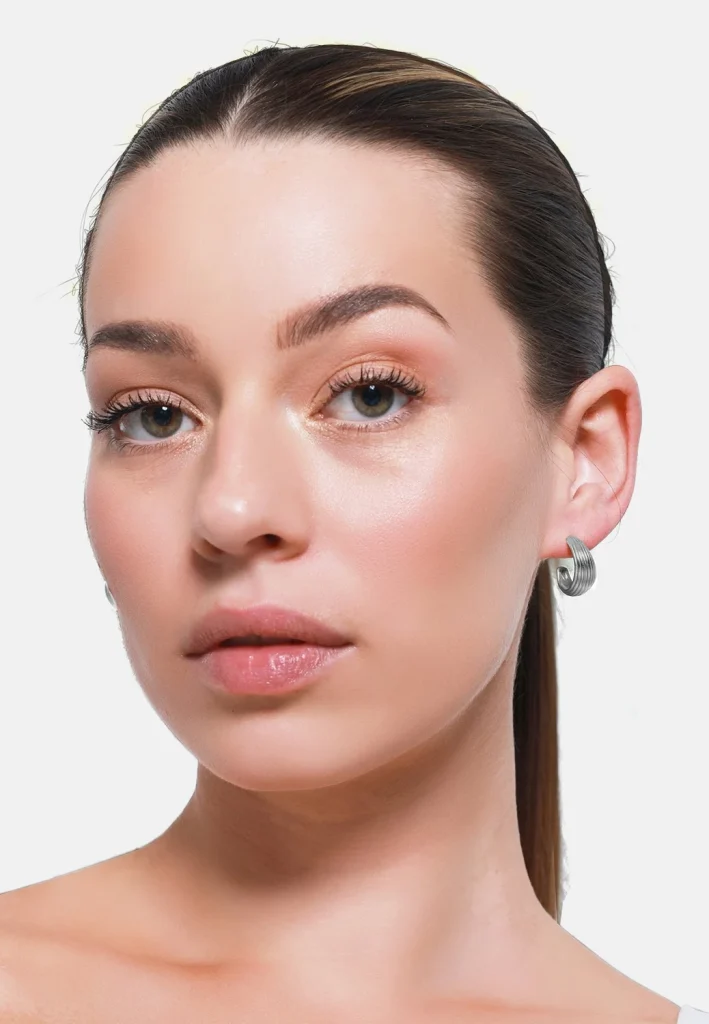
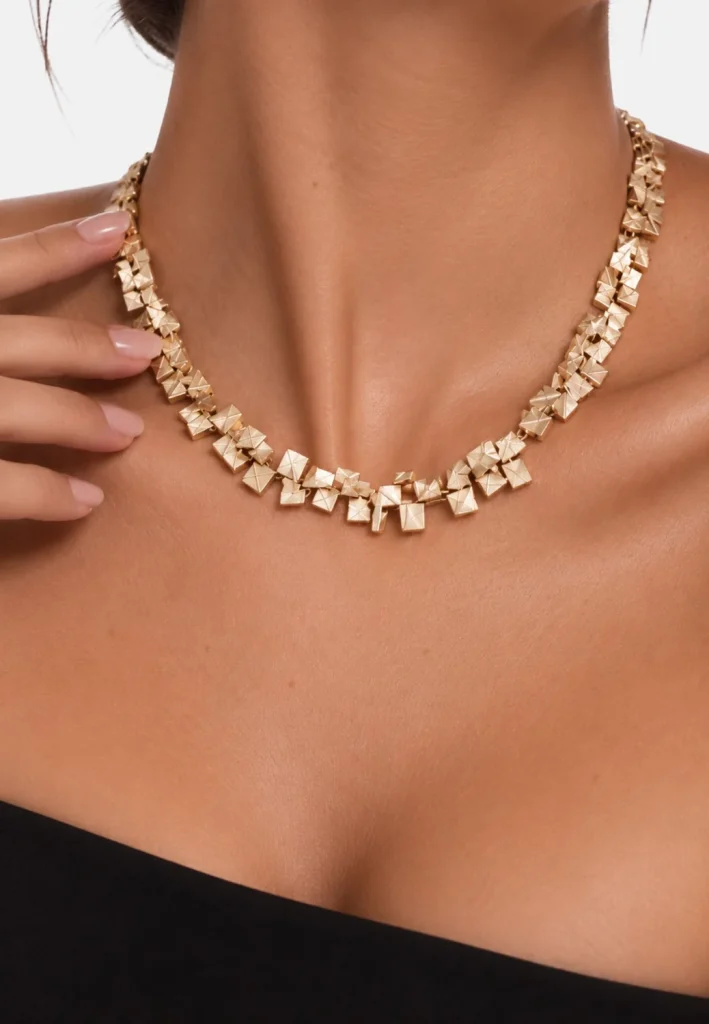
Heideman recommends storing jewellery separately in a soft pouch. Use that principle to keep a pair of earrings with its backs and a chain apart from loose rings. Our editorial suggestion is to choose storage that makes components visible and easy to count, while avoiding pressure on open or raised shapes. Do not preserve a necklace arrangement by leaving several chains tangled together; a reference photograph can record the styling while the individual pieces rest separately.
Inspect fastenings before wearing
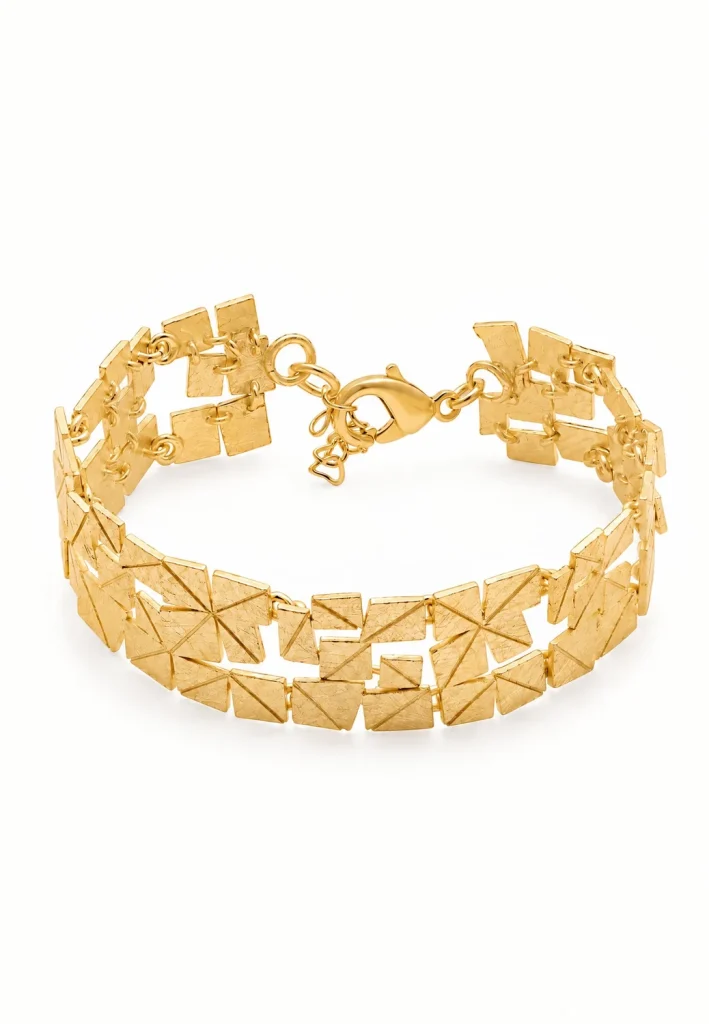
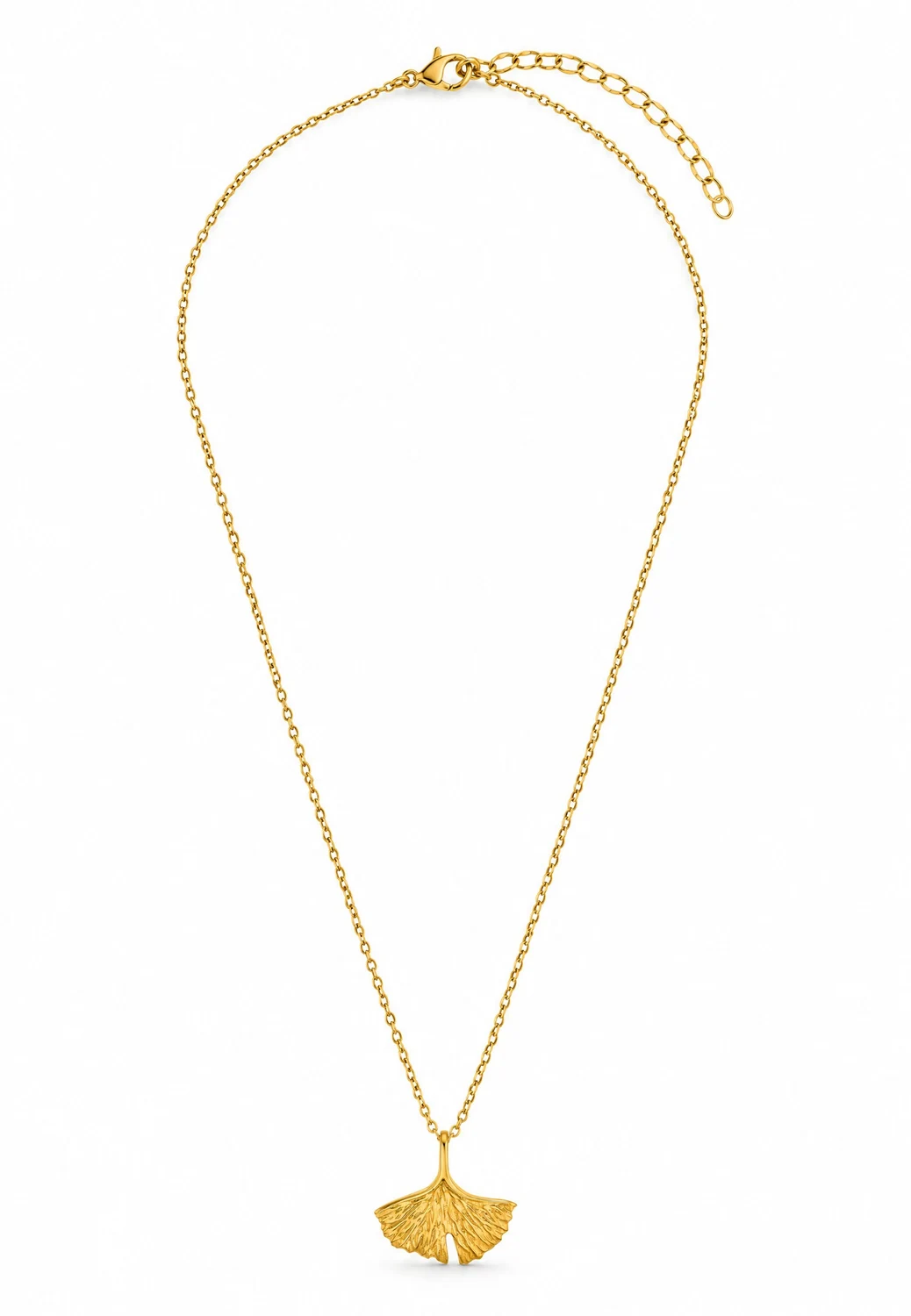
The care page includes checking clasps, a useful step before jewellery becomes part of an outfit. Look in good light, confirm removable components are present and engage closures as intended. If a fastening does not work normally, do not force it or improvise a repair by bending a component. Ask for model-specific guidance. A brief visual check cannot guarantee long-term condition, but it can reveal an obvious missing back, twisted link or incompletely closed clasp.
Keep the routine specific and repeatable
Choose a small sequence you can maintain: identify the piece, follow its cleaning advice, store it separately and check it before use. Update your notes if the maker supplies new instructions for that model or finish. Facet & Line's contribution is editorial organisation, not laboratory testing or a durability guarantee. A careful routine helps you handle jewellery consistently while keeping verified material information distinct from assumptions about how every piece will respond.
Sources & further reading
- Heideman official source — A small, useful routine for jewellery care (1)
- Heideman official source — A small, useful routine for jewellery care (2)
Product specifications and availability may change. Check the official page and care guidance for the exact item. Styling suggestions are editorial ideas; material, water-resistance, allergy and durability claims must be verified for the individual product.