Look at the whole small object
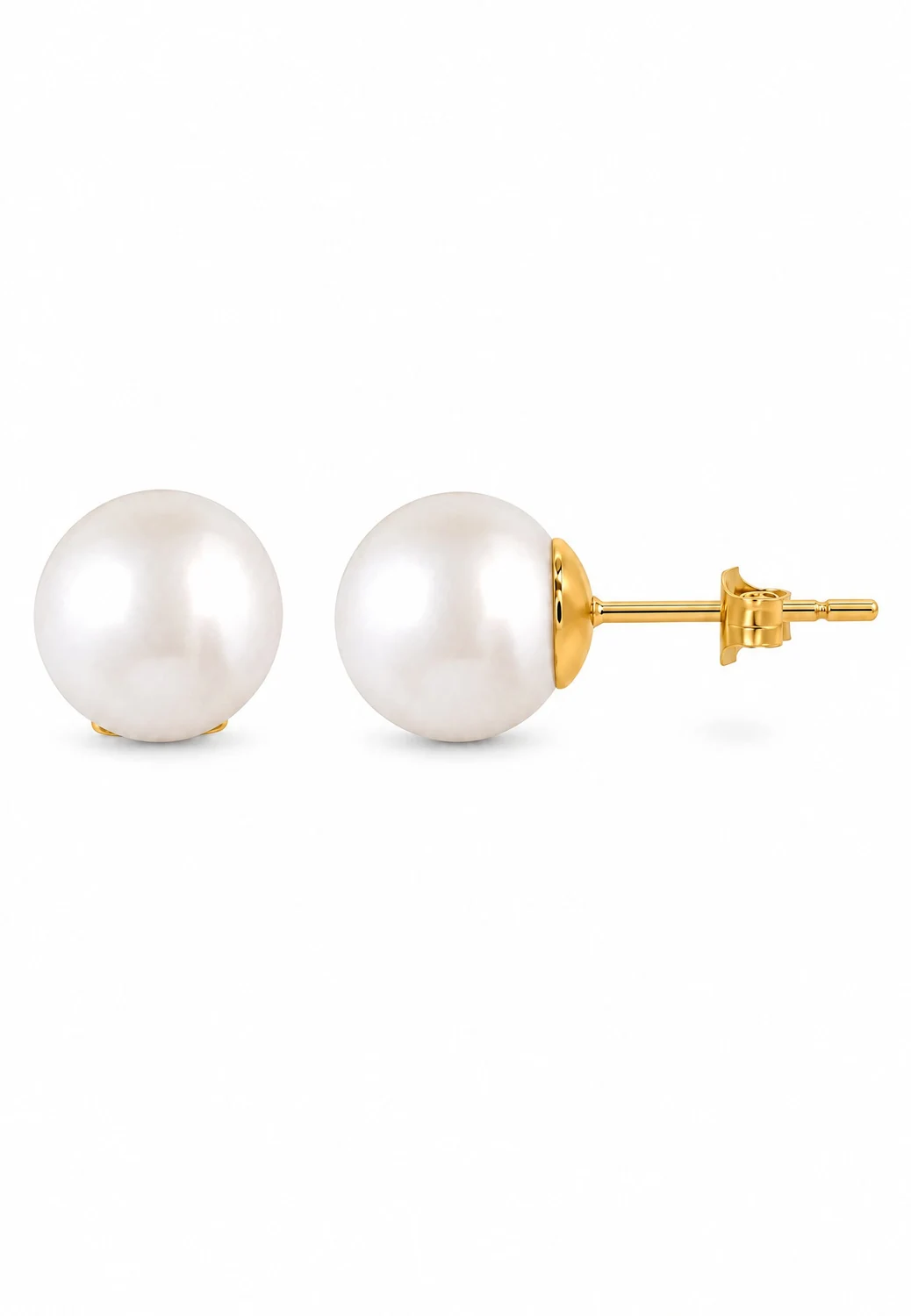
A pearl-style stud can look simple at first glance, yet the visible setting, surrounding metal and position of the rounded element all contribute to its character. Begin by looking at the complete outline instead of only the bright central surface. Our editorial suggestion is to compare a front view and a side view. What looks like a small point of light from one angle may have a more pronounced profile when the ear turns.
Identify the imitation pearl correctly
The official listing for Heideman's gold and white 8 mm studs explicitly describes imitation pearls, using the German word Kunstperlen. It specifies 316L stainless steel with 18K gold plating and push-back fastenings. Keep that material description intact rather than calling the elements cultured or natural pearls. The listed 8 mm width offers a concrete scale reference, while the setting and fastening remain separate parts of the construction. A photograph alone cannot establish a pearl's origin.
Choose the contrast beside the face
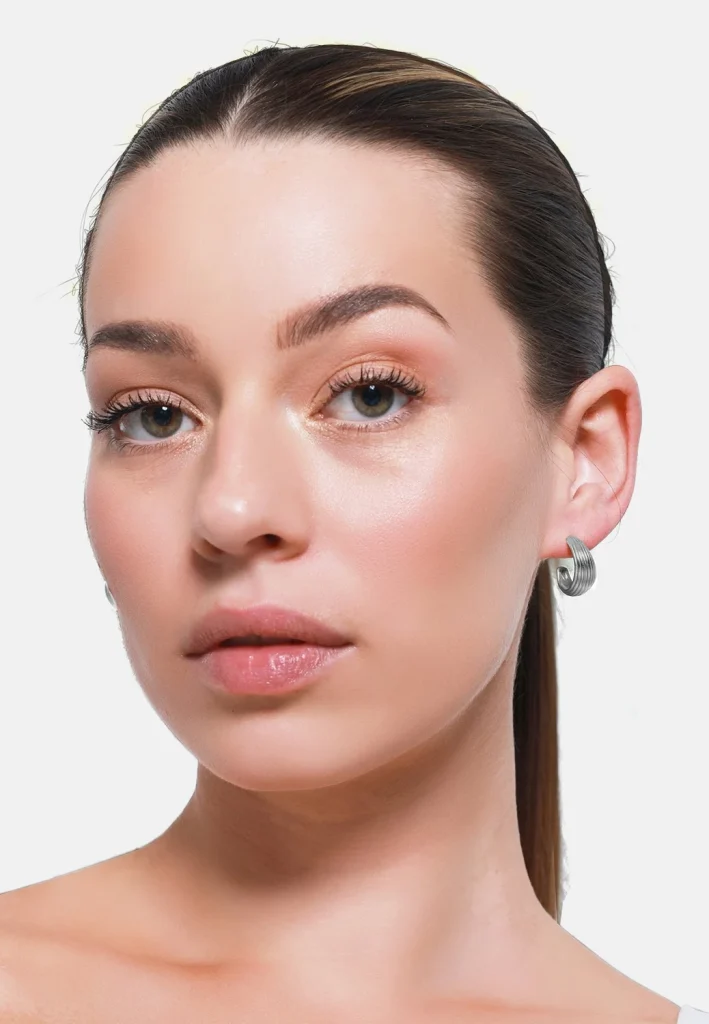
Try the pale detail next to an everyday shirt or knit and see how clearly its outline reads. A darker background can make a light element stand out, while a pale fabric can produce a quieter effect. These are editorial possibilities rather than rules about complexion, age or occasion. Consider the whole face and hairstyle at a normal distance. The most useful comparison is whether the small object offers the amount of contrast you want.
Keep an intentional second detail
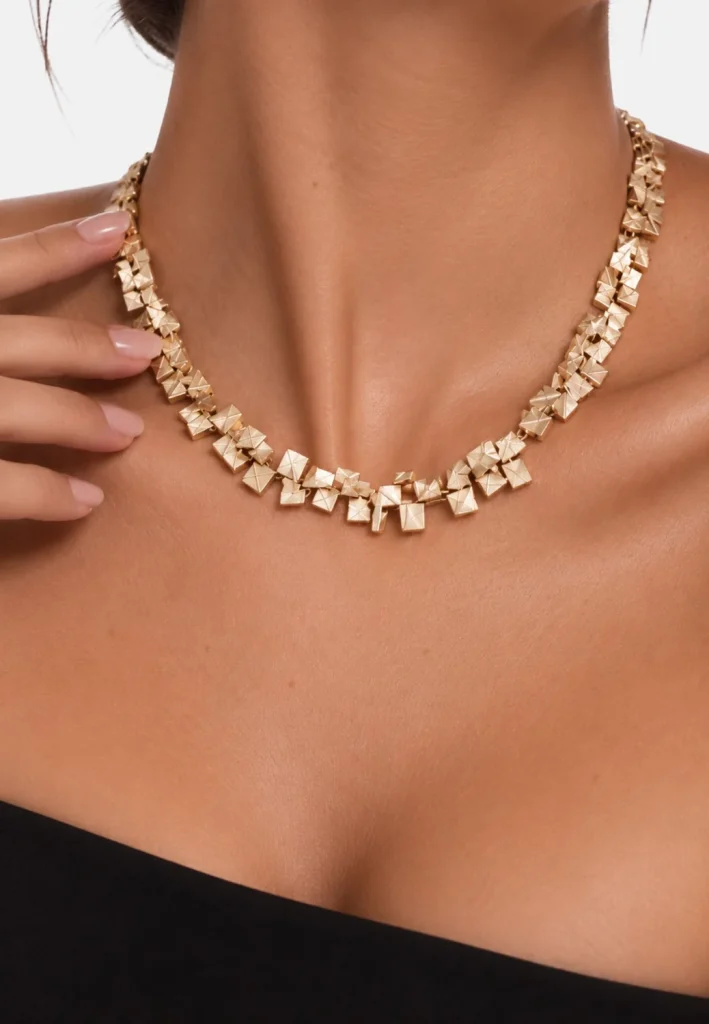
If you add a necklace, decide whether it should repeat the soft round form or introduce a plain line. A chain without a large focal point can leave the earrings in view, while a related rounded pendant creates a different conversation. Our suggestion is to try the earrings alone first, then add one piece and assess the change. There is no requirement to build a matching pearl set simply because the first item contains a pearl-like element.
Check the setting and fastening
Before wearing, confirm that the earring's closure is secure and that removable components are present. Do not press directly on a decorative element to force the fastening into place. A still product image cannot predict how an individual ear, an earphone or a hat will interact with the stud. Use the maker's instructions and a careful personal fit check, and seek model-specific advice if the fastening or setting is unclear rather than improvising a repair.
Care for every component
A stud can combine a metal base, a finish and a decorative element that need to be considered together. Follow the current product and care instructions for that combination; do not transfer a general steel-cleaning method automatically to an unidentified pearl-like surface. Our practical suggestion is to store the pair apart from loose chains and keep the backs in the same compartment. This makes the small pieces easier to retrieve and reduces unnecessary contact in storage.
Sources & further reading
- Heideman official source — Pearl studs, read through their details (1)
- Heideman official source — Pearl studs, read through their details (2)
Product specifications and availability may change. Check the official page and care guidance for the exact item. Styling suggestions are editorial ideas; material, water-resistance, allergy and durability claims must be verified for the individual product.